
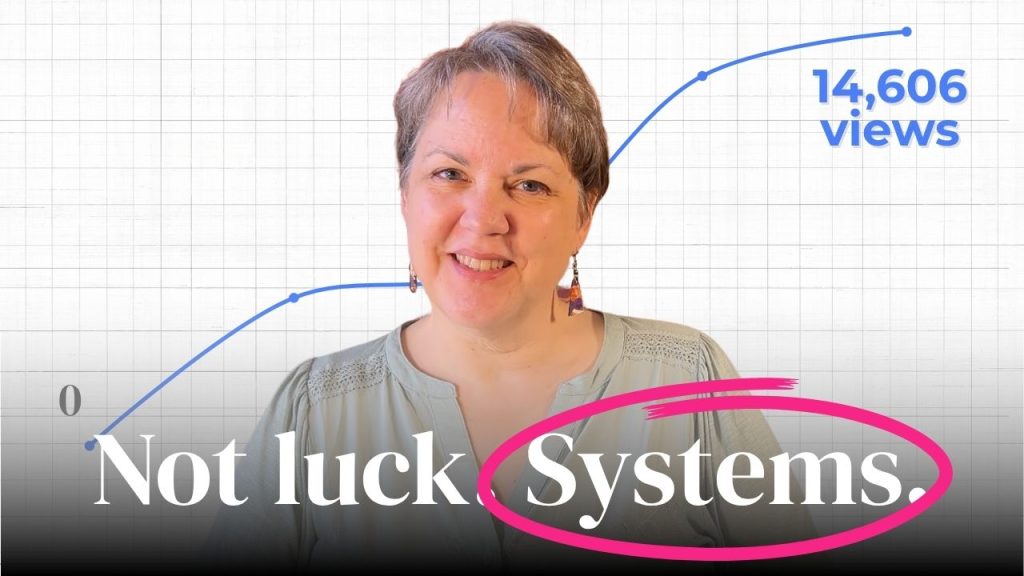
On Saturday, March 28, I published the first video on a brand new YouTube channel. I’d shared the channel with my email list the week prior, and asked people to subscribe. There were 44 subscribers when the video was published.
By Sunday evening, the video had less than 100 views. Not surprising for a new channel with a small handful of subscribers.
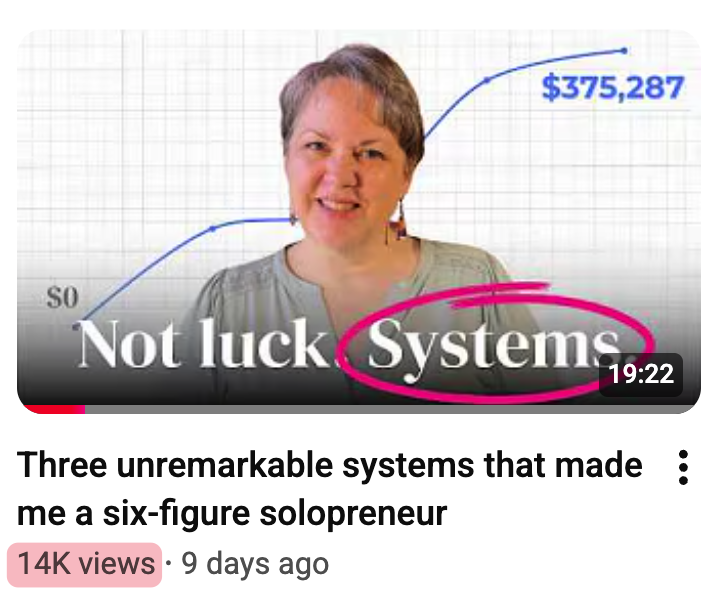
But then, some time during the night, YouTube’s algorithm picked it up. When I checked in on Monday morning, the video had 3,300 views and the channel had gained a few hundred subscribers. A day or so later, it hit 10,000 views. As of this writing, it’s sitting at 14,000+ views, and the channel has more than 1,200 subscribers.
Content is a Solopreneur’s Best Visibility Tool
For years, I have been advising my clients to create more content. Even before you have something to sell, you should be putting long-form content out into the world. I talk about why in this video, but here’s the Cliff’s Notes version:
- Content (and the engagement you receive) points the direction your business should go. If your readers/listeners/viewers react well to content about ridding your garden of tomato worms, but when you post about aphids on your rose bushes you get crickets, that’s a clear indication where your followers need help.
- Creating content teaches you how you think. It helps solidify your ideas and opinions in a way that learning or even thinking cannot do.
- As your body of work grows, your content reach compounds. Blog posts you published years ago will continue to reach a new audience. Older YouTube videos will suddenly pop up in someone’s feed, introducing you to a new fan.
- Content invites collaboration with others. It’s not just for your potential customers. Content also helps others in your niche (or related niches) know what you’re about. It’s how you get invited to speak, or co-author a book, or participate in a summit.
I define long-form content as anything that requires more than three or four minutes to consume. It’s a blog post like this, or a podcast, or a YouTube video. It’s not an Instagram or a LinkedIn post.
Over the last few months, I’ve become increasingly convinced that while all long-form content is good and useful for your business, when it comes to discovery, there is one channel that cannot be beat: YouTube.
YouTube (which is owned by Google) has the algorithm dialed in perfectly. If a viewer shows interest in a topic by clicking on and watching a video, YouTube will show them additional, similar content that other people like them have watched.
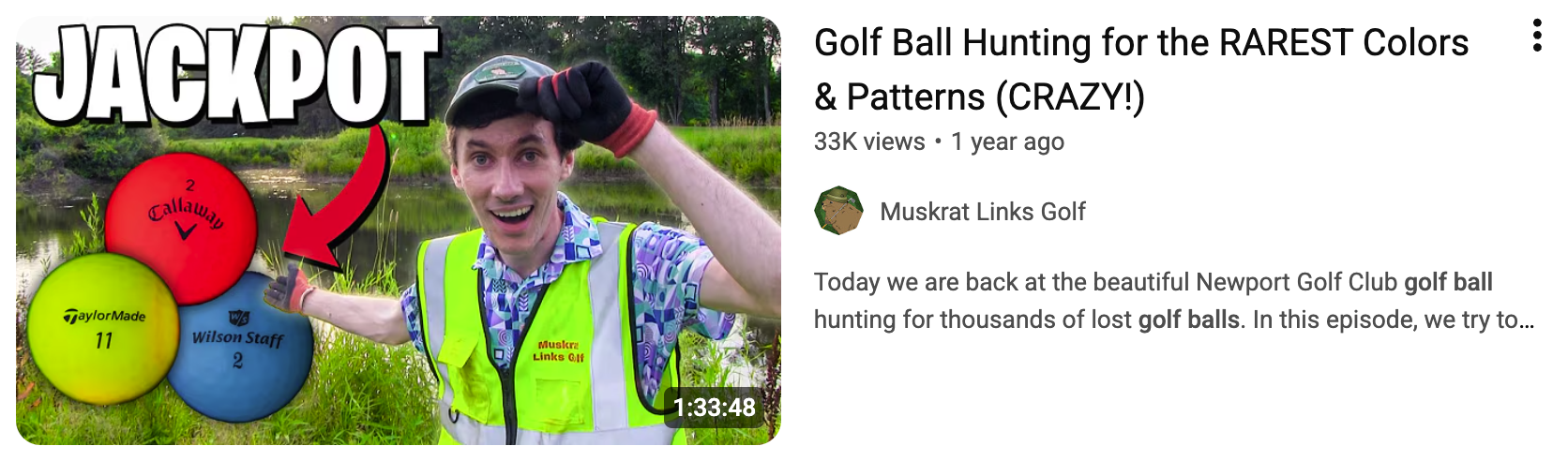
If you’ve ever clicked on a random video about golf-ball collecting, only to see half your YouTube feed transformed into golf-memorabilia related videos, you know exactly what I’m talking about. The husband and I refer to it as a punishment, as in, “I accidentally watched a video about window washing, and now YouTube is punishing me.”
As creators, this is good news. When there is a clear system in place, we can leverage it to our advantage.
But as the views climbed on my debut video, some people started to question the system. They thought maybe I have some magic sauce for turning up the YouTube dials. They wanted to know, “What does she have that I don’t have?”
I call them the “Yes, buts.”
Yes, but…
“Yes, but you already have a name on YouTube. That must have helped.”
I do have another YouTube channel, but my research suggests the algorithm doesn’t care. Each channel is treated as its own entity, even if it exists within a Google account container among several other channels.
The only potential connection here would be if you start a brand new channel on an equally new Google account. It seems in that case, YouTube really does hold back on promoting your content, while they wait to see if you’re human.
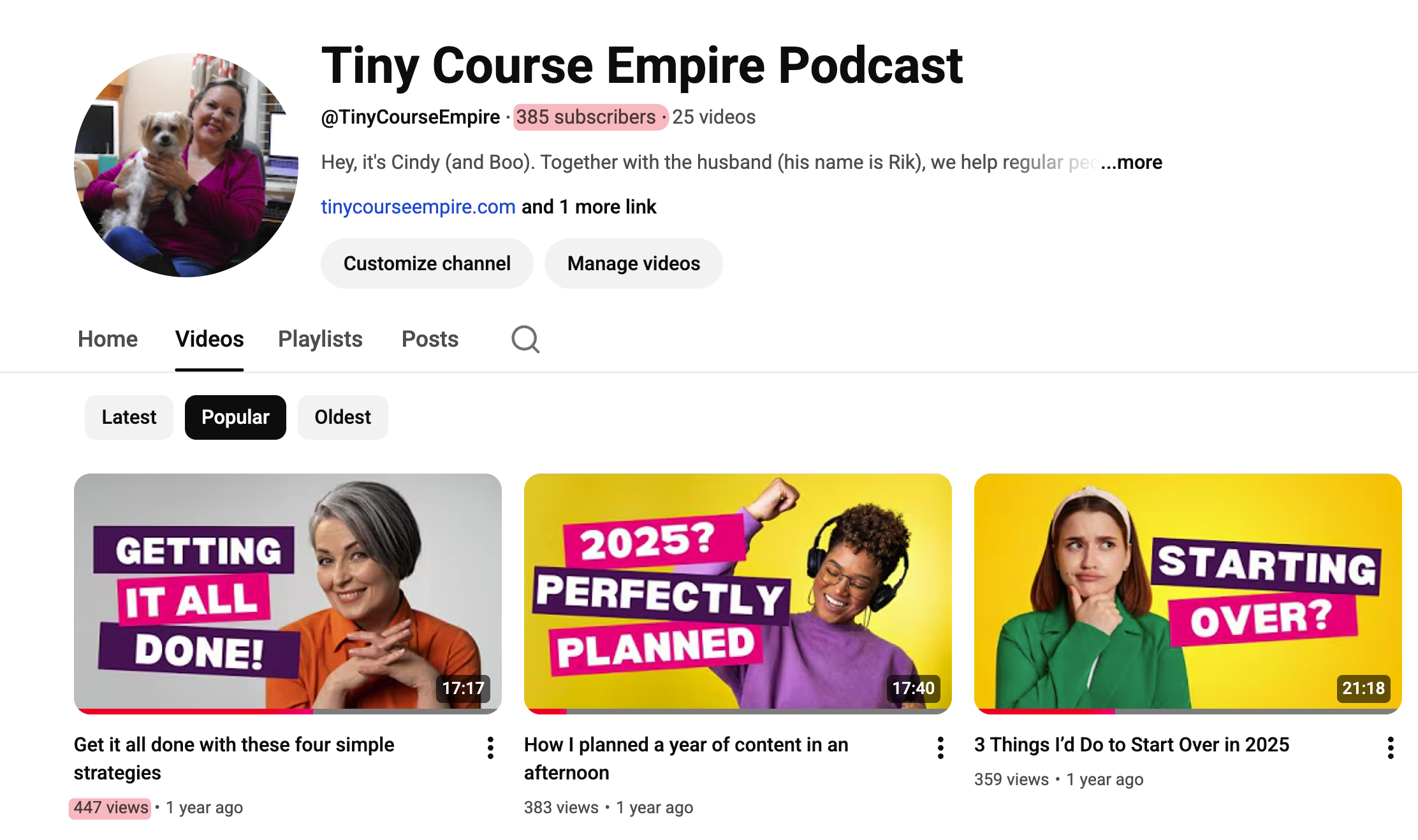
I have an old Google account, so that’s not a concern. More importantly, my other channel wasn’t exactly crushing it. My best performing video there has 447 views, and the channel itself has 384 subscribers. There’s no reason to think YouTube prioritized this new channel because of the previous one.
“Yes, but you promoted your new channel to your list.”
Of course I did. I’d be stupid not to, but it had very little impact. Here are the numbers:
- On Saturday (when the video dropped) I emailed a small portion of my list—less than 300 people—with the link. 44 people clicked through to the video.
- On Monday (when it blew up) I emailed my entire list—4,227 people—with the link. 52 people clicked through to the video, and 77 clicked through to the channel page.
- Total clicks through to the video from those two emails were less than 200, and some of those were undoubtedly duplicates. Kit only shows totals and doesn’t offer details about unique clicks, so I have no way of knowing how many people saw the video based on my email alone.
What I can see is this.
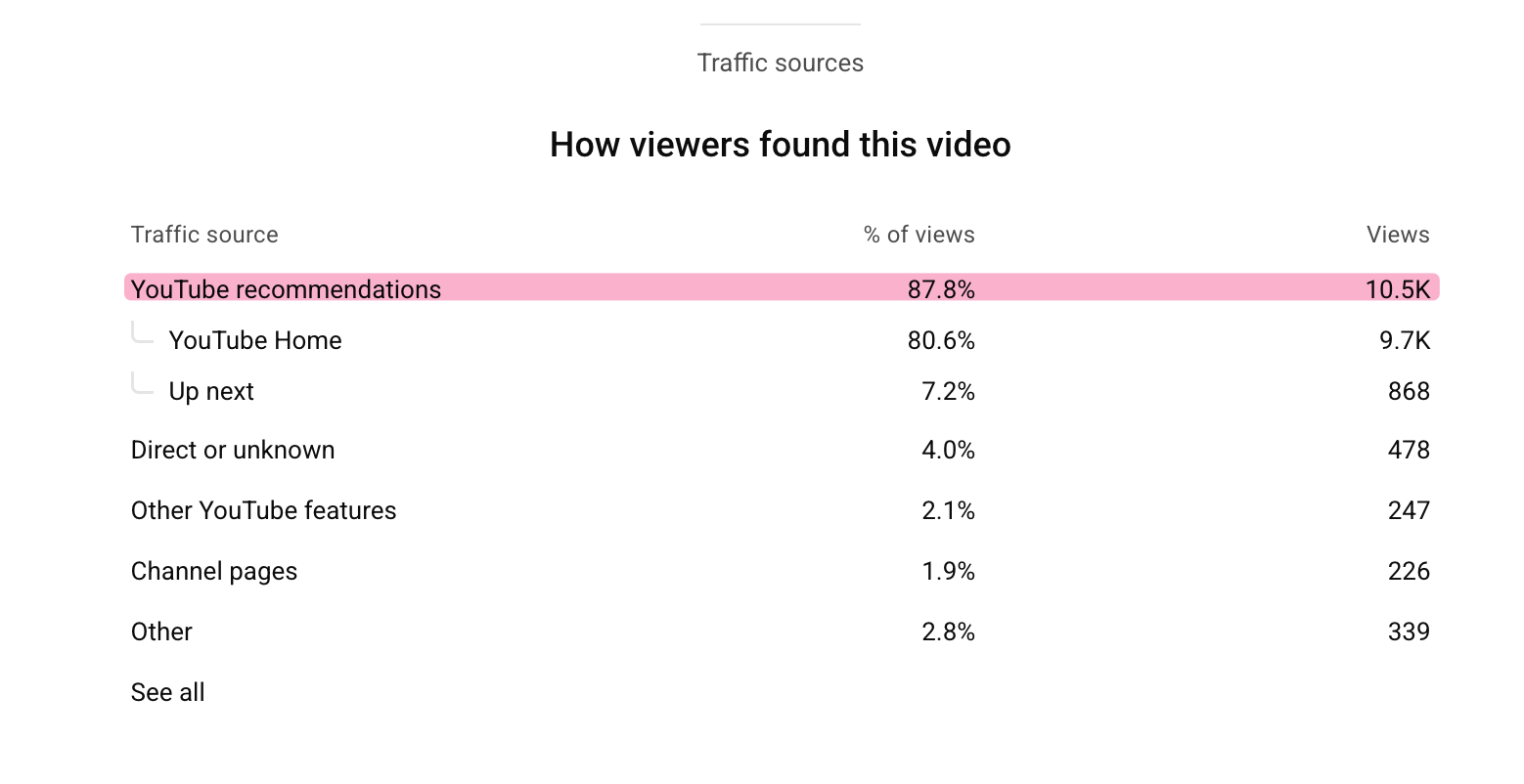
YouTube’s analytics tells me where traffic is coming from. 87.8% (or 10,500 views) came from YouTube recommending the video. Fewer than 10% of views came from outside of YouTube.
“Yes, but you talk about making money. Of course your video blew up.”
True. I do talk about making money. Could that be the reason?
Now I was the one who was curious. I wanted to know if videos in other niches could take off the same way, so I went looking. I specifically looked for smaller channels in niches unrelated to business. I was on the hunt for videos with far more views than the channel history or subscriber count would predict, and it only took a few minutes to find them.
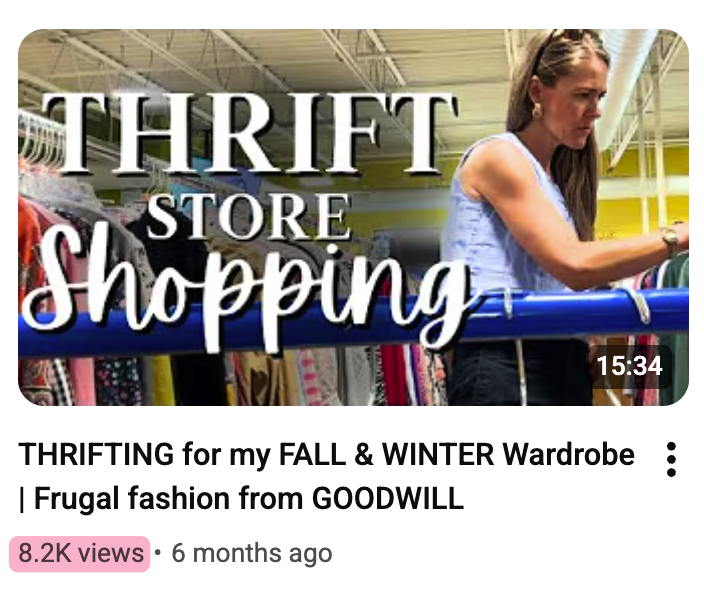
I found Thuja Hill Homemaking, a channel with 1,830 subscribers. Six months ago, she posted a video about thrifting for a fall and winter wardrobe. That video has 8,200 views.
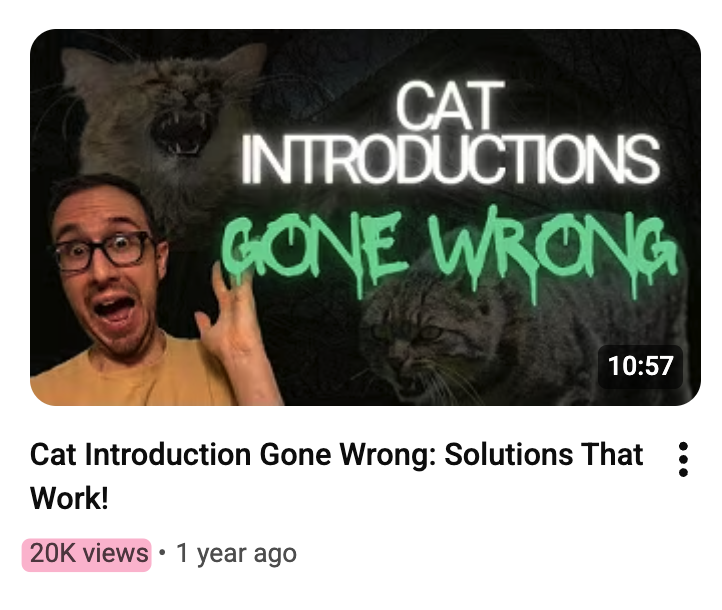
I found Class Act Cats, a channel with 1,430 subscribers. One year ago, they released Cat Introduction Gone Wrong: Solutions That Work. That video currently has 20K views.
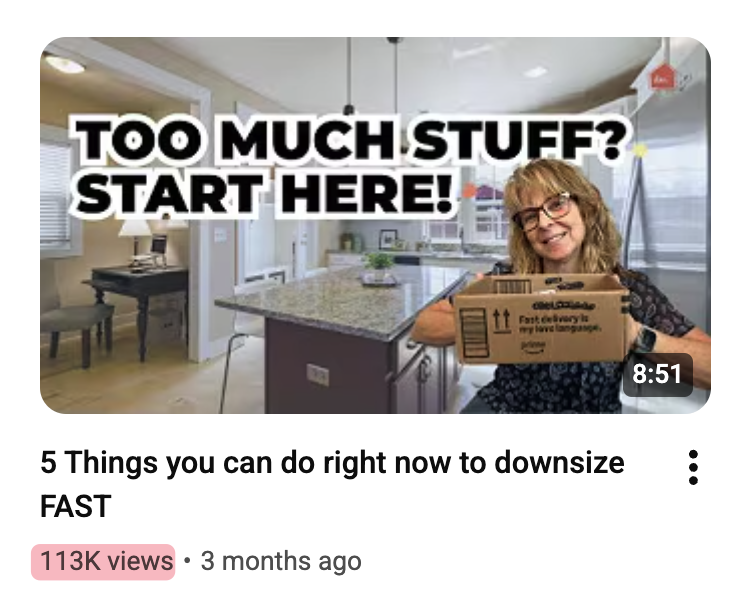
I found Tracy Lynn, from Declutter in Minutes, who has 18K subscribers. Three months ago she posted a video titled 5 Things you can do right now to downsize FAST. It has 113K views.
I found Love Marbie, who describes herself as Martha Stewart meets Oprah Winfrey. Her channel has 24K subscribers. One year ago, she published a video titled “Make Your Home Feel Like a Luxury Hotel,” and earned 193K views.

These are just a few examples. I found similar results on dating channels, crafting channels, makeup channels, and gardening channels.
This tells me that my assumption is right. YouTube is a useful discovery tool for reaching a much wider audience.
The trick is in how you harness the beast.
The System I Followed
I have to preface this by saying I am not a YouTube expert. I don’t have contacts at Google, and I am not privy to any proprietary information about how their algorithm works.
But I do follow a lot of smart people who talk about YouTube, since it’s something I want to get better at. Here’s what those smart people recommend:
- Competitor research. What content is driving views for others in your niche? Make similar content (but obviously don’t copy them).
- Thumbnails are 99% of the system. Click-through rate is everything for YouTube. If your thumbnail isn’t scroll-stopping and click-inducing, your video won’t work, period.
- The hook. Once they click, your main job is to get the viewer to stick beyond the first 30 seconds.
If you do these things well, YouTube will reward you by showing your video to more people who are similar to those who have already watched, commented, and liked it. YouTube will keep doing that for as long as the video continues to pull good numbers.
What those “good numbers” are is anyone’s guess, but here’s what Google says.
Half of all channels and videos on YouTube have an impressions CTR [click-through rate] that can range between 2% and 10%.
Also on that same page, Google says:
YouTube will recommend a video to viewers if the video is relevant to them and if the video’s average view duration indicates that viewers find it interesting.
Here are what my numbers looked like:
On Monday, March 31, the click-through rate for my video was 6.5% and the average view duration was just under five minutes. I suspect this is why the video took off like it did. Because the click-through rate was in the acceptable range, and the view duration was solid, YouTube showed the video to more and more people.
Understandably, as the audience widens, it becomes less targeted. My click-through rate and average view duration began to drop. At the time of this writing (Saturday, April 4) the CTR is 6.2% and the average view duration is down to 4:46.
The video is still actively being shown and getting views, but I can see it’s slowing down a bit.
Doing Everything Right is Not a Guarantee
Now, let’s talk about the second video on my baby YouTube channel. I published it on Saturday, April 4. At the time, the channel had just under 1,000 subscribers. In the first three hours, it received about 200 views.
I emailed my list with the link, and 23 people clicked through to the video.
As I write this, this second video is doing objectively better than the first one:
- The CTR is 6.6%, slightly above the 6.5% the first video earned.
- Average view duration is 6:54. This is a full two minutes longer. Remember, YouTube’s business model is advertising. The longer someone stays on their site, the more money they make. So this should be a big green light for the algorithm gods.
But the video sitting at just under 1,000 views. Still good. I’m not complaining at all, but it’s not the juggernaut the first video created.
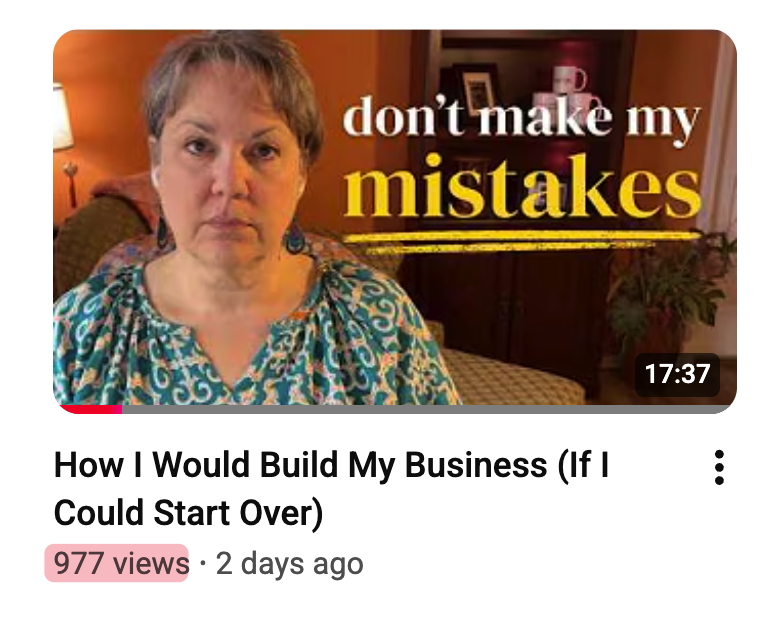
Will the algorithm give it a boost like it did for the first video? Maybe. And maybe there are other things at play here. It’s Easter weekend, for one. Or maybe the topic isn’t as broadly appealing. Who knows?
The point is, you cannot predict which content will hit the mark, and which will sink into oblivion. But that should not prevent you from continuing to publish content. If anything, this experience is encouraging me to produce even more content.
Cindy’s I-am-not-an-expert YouTube Advice
I still believe in posting lots and lots of long-form content. It’s how I am growing my business, it’s how my clients are growing their businesses, and it just works. Maybe not every time, but in the long run and with consistent effort, it does work.
If you are publishing content for visibility, YouTube is the platform that is stacked most highly in your favor, but only if you…
- Do your research and post videos similar to what your potential viewers are already watching.
- Pay special attention to the thumbnail and title. They have to walk a fine line between “compelling and scroll-stopping” and “click-bait.”
- Script your videos with the goal of longer view times. Higher average view duration = more recommendations from YouTube.
Finally and as with all things: Treat it like a science experiment. Pay attention to what works, so you can do more of it. Look at what bombs, and (obviously) don’t do that again. That is how every content channel, product offer, and business works.
And, if you’re thinking all of this sounds a bit like the golden age of blogging, when we were optimizing our titles and keywords and images so we could hit the first page of the Google SERPs, you’re not wrong.
It might be a different medium, but the same rules apply if you want your content to be seen by a new audience.
Go publish something.



Got insightful info from your article thank you for sending me here from your YouTube channel
You’re welcome!